
Why Your Van Stock Isn’t Getting the Same Google Visibility as Cars and How to Fix It
If you’ve set up Google Vehicle Ads (GVA) for your van stock and you’re noticing it’s not performing as well as your car stock did, the answer is simple: you need to treat the way you advertise your stock differently.
Van buyers and car buyers aren’t the same type of customer; you know it as a dealer, and Google knows it too.
For independent dealers running a mixed forecourt of cars and vans, this gap needs to be filled to achieve the best results and stay within budget, especially since you’re not backed by a franchise marketing team with a dedicated budget for each vehicle type.
Here at WeAdvertiseAnyCar, GVA is what we do, so we can help you understand how to advertise your stock to van buyers.
You’re Selling to a Different Buyer
A buyer searching for a car is thinking about styling, mileage, and whether it will fit the whole family. A buyer searching for a van is thinking about work. Each buyer needs a different approach.
This difference matters because it’s what needs to be visible on your vehicle detail page that feeds your ad.
Tradespeople and sole traders make up a big chunk of van buyers, and they’re comparing your listing against every other van in range. If your ad doesn’t answer their practical questions fast, they’ll click on to the next one.
Your Feed Needs to Answer Van Buyers' Questions
Every vehicle you advertise through GVA needs a data feed to base your ad on. Think of the feed as the source of truth Google uses to match your stock to a search. If you get that right, your vans will answer the pressing questions van buyers have, giving you a better chance of generating leads. If you get it wrong, your ad might never be seen by your buyers.
If you’re used to advertising your car stock on GVA, you probably know that cars need the basics: year, make, model, price, mileage, body. Vans need all of that too, but your vehicle detail page needs to also include fields that cars never touch:
If you skip these, Google has less to work with, which in turn leads to less accurate matching that delivers fewer right clicks landing on your stock.
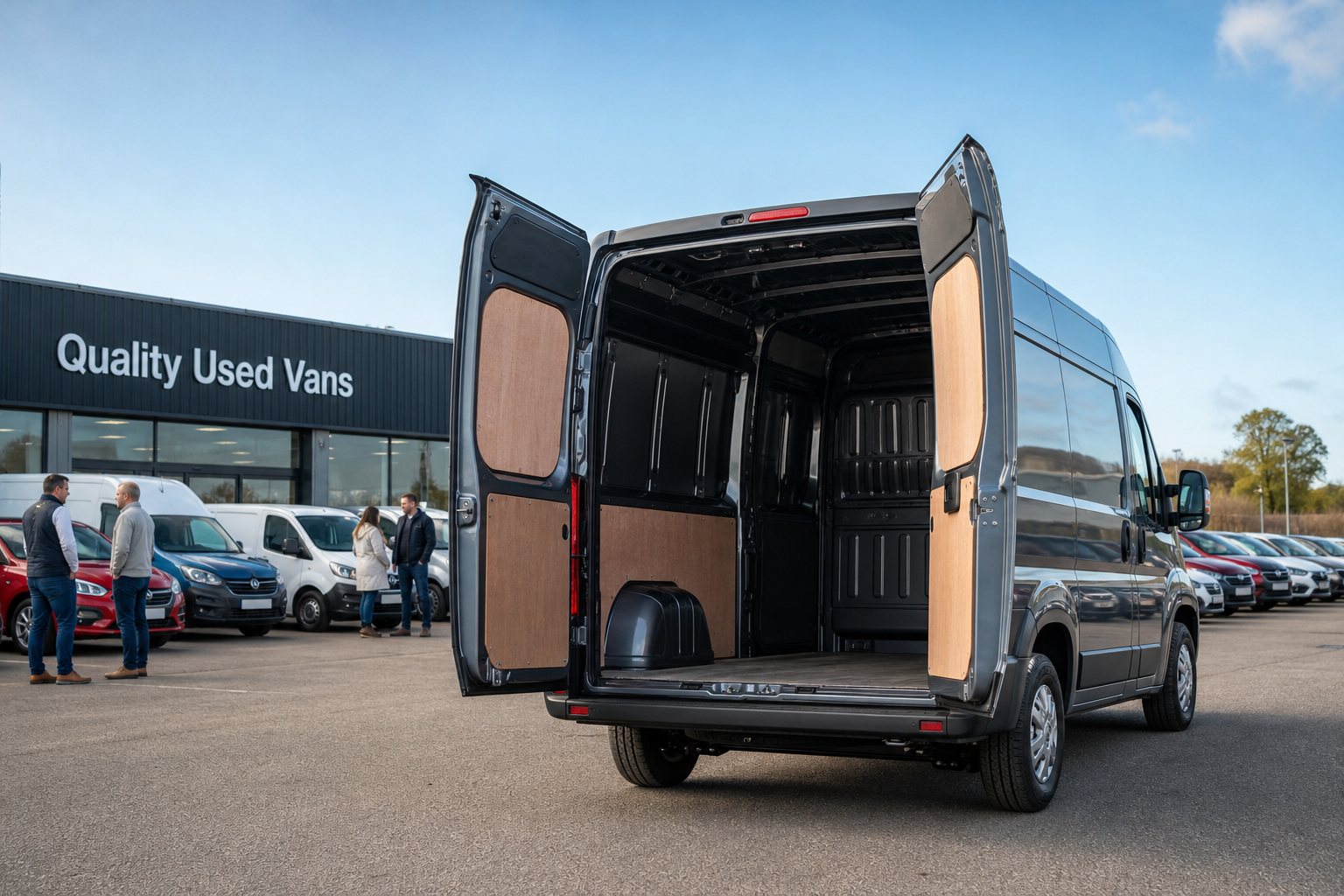
Your Images Need To Reflect the potential of the van
A three-quarter exterior shot and a couple of indoor pictures might work okay for a car, but for a van, it doesn’t even scratch the surface.
The pictures you take of your van stock need to reflect the van's purpose. Buyers want to see the load area and how much they can put inside. A clean shot of an empty cargo bay tells buyers more than a picture of the front seats may ever tell them. If your van’s been rack-fitted or ply-lined, those are the details that matter to van buyers.
On top of that, you still need to stick to Google’s core image rules: clean background, no text overlays, no watermarks, a minimum of 1000 x 1000 pixels. Don’t stop at overview photos of the exterior and interior; capture every detail of the load area. What you think might be a simple detail might be the selling point for the buyer.
You're Being Grouped With the Wrong Competitors
Here's a problem specific to independents. You're not running a single-brand, single-category operation. You've probably got a spread of stock, a few vans, a few cars, maybe the odd pickup.
Left unorganised, your GVA campaigns can end up bundling everything together. That means your panel vans are competing for attention against your hatchbacks in the same campaign structure, when they should be grouped by use instead.
Group your stock the way a buyer searches for it. Panel vans together. Pickups together. Passenger vans and minibuses in their own group. This isn't just tidiness. It directly affects how well Google can match your ads to the right search.
You’re Missing Business-Relevant Signals
A van buyer weighing up two nearly identical vehicles is weighing up running costs, service intervals, and what happens if something goes wrong six months after purchase. For a van buyer, their van is their livelihood, so a van purchase needs those extra layers of security.
Warranty terms and service package details are really important, as is fuel efficiency, especially now with petrol and diesel costing so much and squeezing smaller operators. These details belong front and centre on your vehicle detail page.
When you’re organising your stock on your website, make sure that any benefits that come with buying a van with you are incorporated into every vehicle detail page.
For independents specifically, this is a chance to compete on more than price. Many franchise groups might win on reputation, but you can win by making the practical, business-relevant details easier to find.
Get Your Van Feed Checked
If your van feed is still running on the same template you use for cars, that’s the first thing to fix. It’s a quick check that often explains why van ads underperform compared to car ads.
If you want your GVA to perform as well as possible, get in touch with us at WeAdvertiseAnyCar, and we’ll walk you through our flexible packages to match your business needs and budget. Before you spend another penny on your clicks, get in contact with us!